Why we heavy metal test our pea protein (and what we found)
05.12.2026Most supplement brands say they test their ingredients.
We do too. But we think there's a difference between saying it and showing it. So here are our actual results.
Our pea protein was independently tested for heavy metals at Cawthron Institute, one of New Zealand's leading independent research and testing laboratories. Here's what they found, and what it means.
Why pea protein is worth testing
Pea protein comes from yellow split peas, and like all legumes, peas are particularly good at absorbing minerals from the soil, including heavy metals like cadmium, arsenic, and lead. That's not a reason to avoid pea protein. But it is a reason to test it.
Heavy metal contamination in supplements is more common than most people realise. Concentrations vary depending on where and how the raw ingredient is grown and processed. The only way to know what's in your product is to test it.
What we tested for
We tested for four heavy metals:
Arsenic - including a separate test for inorganic arsenic, which is the more toxic form, Cadmium, Mercury, and Lead.
Our results
The testing was carried out by Cawthron Institute using ICP-MS, which is the industry-standard method for trace element analysis in food and supplements.
Here's what came back:
Arsenic: <0.1 mg/kg (below detection limit)
Inorganic Arsenic: <0.1 mg/kg (below detection limit)
Cadmium: 0.06 mg/kg
Mercury: <0.05 mg/kg (below detection limit)
Lead: <0.05 mg/kg (below detection limit)
Three of the four metals were undetectable at the lab's sensitivity thresholds. Cadmium came in at 0.06 mg/kg, the only result with an actual measured value, and well below the EU limit of 0.20 mg/kg for plant-based proteins and significantly below any threshold that would raise concern.
The inorganic arsenic result is worth noting specifically. Total arsenic and inorganic arsenic are different things. Inorganic arsenic is the form associated with health risk. Ours came back below the detection limit.
Why we're publishing this
We think transparency should be standard. You're putting this in your body. You should be able to see what's in it.
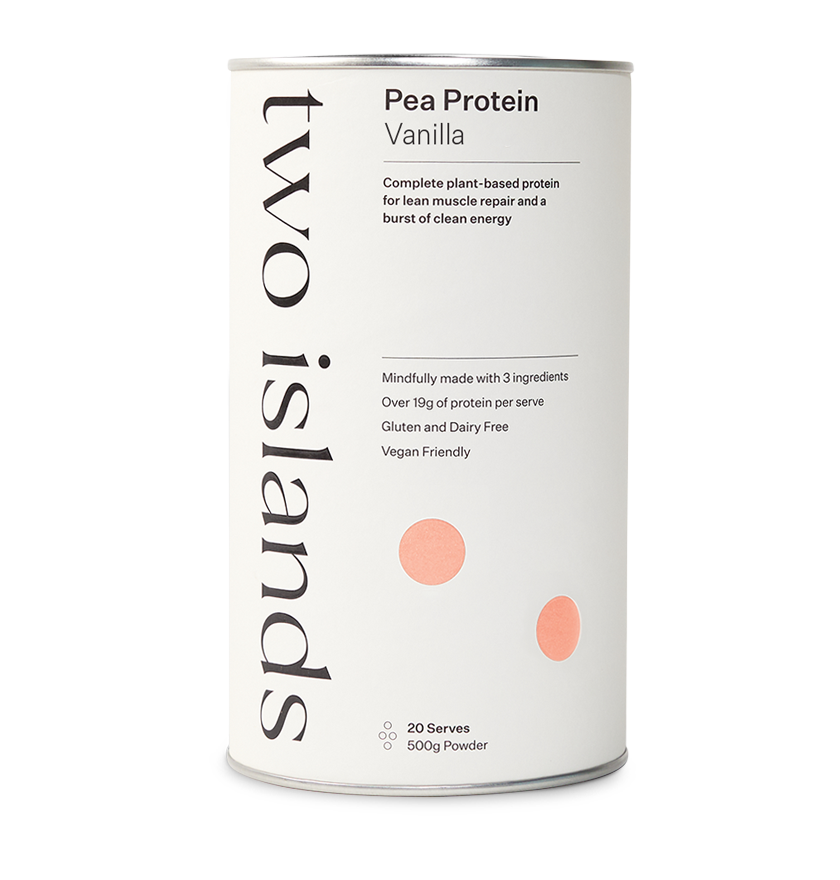
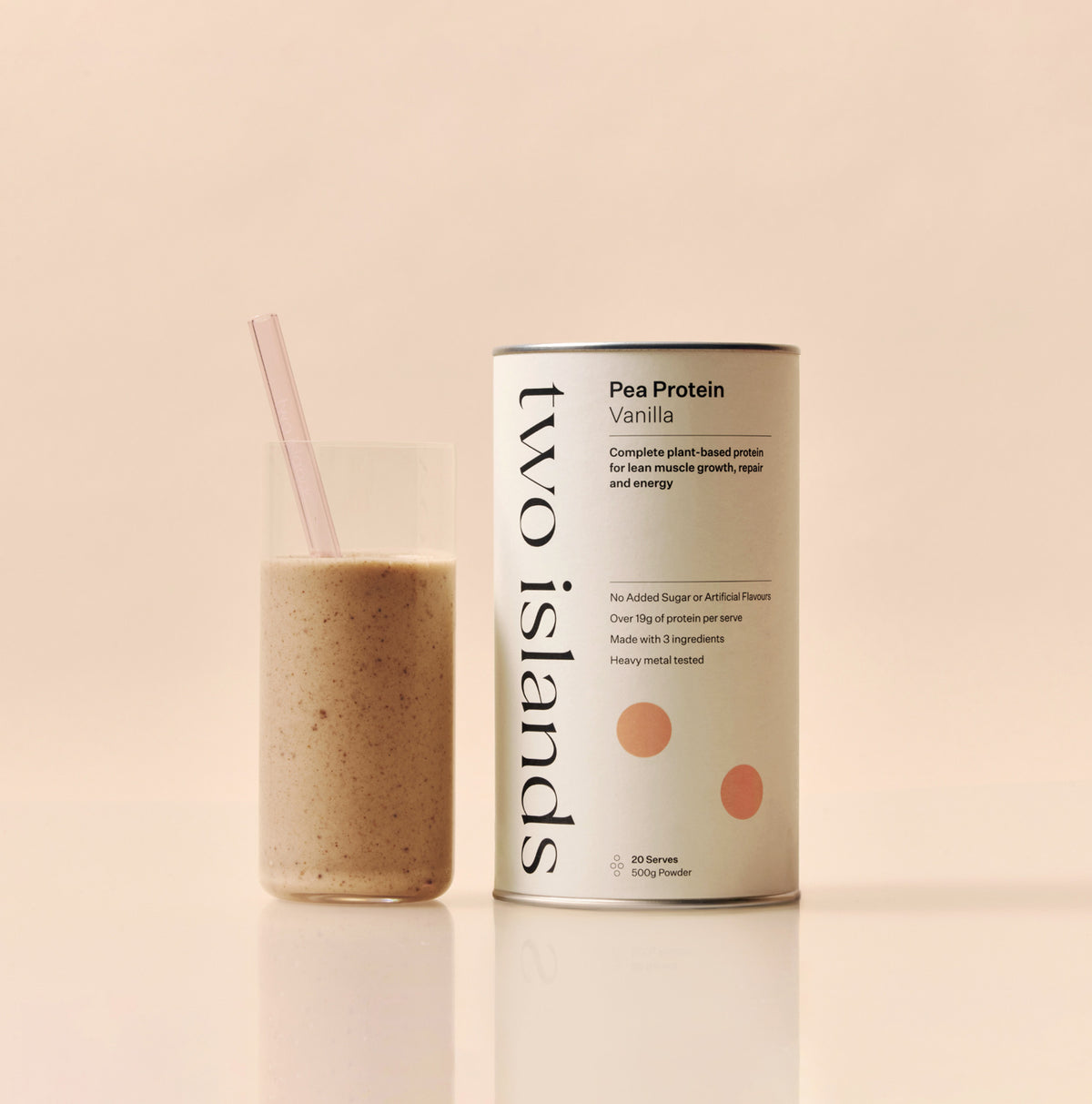
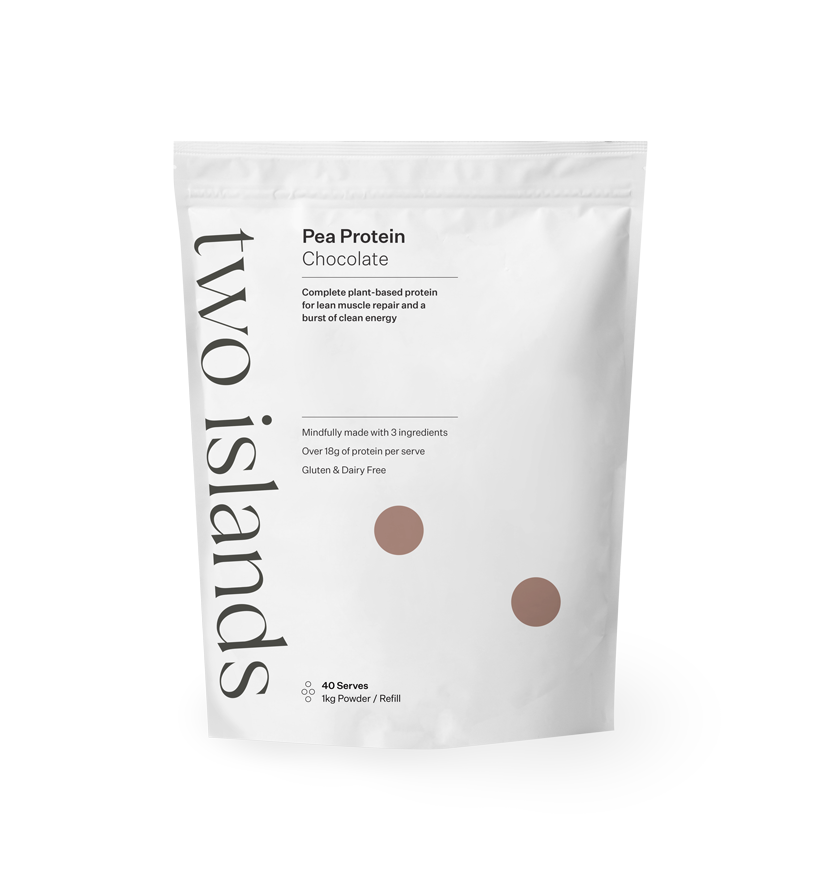
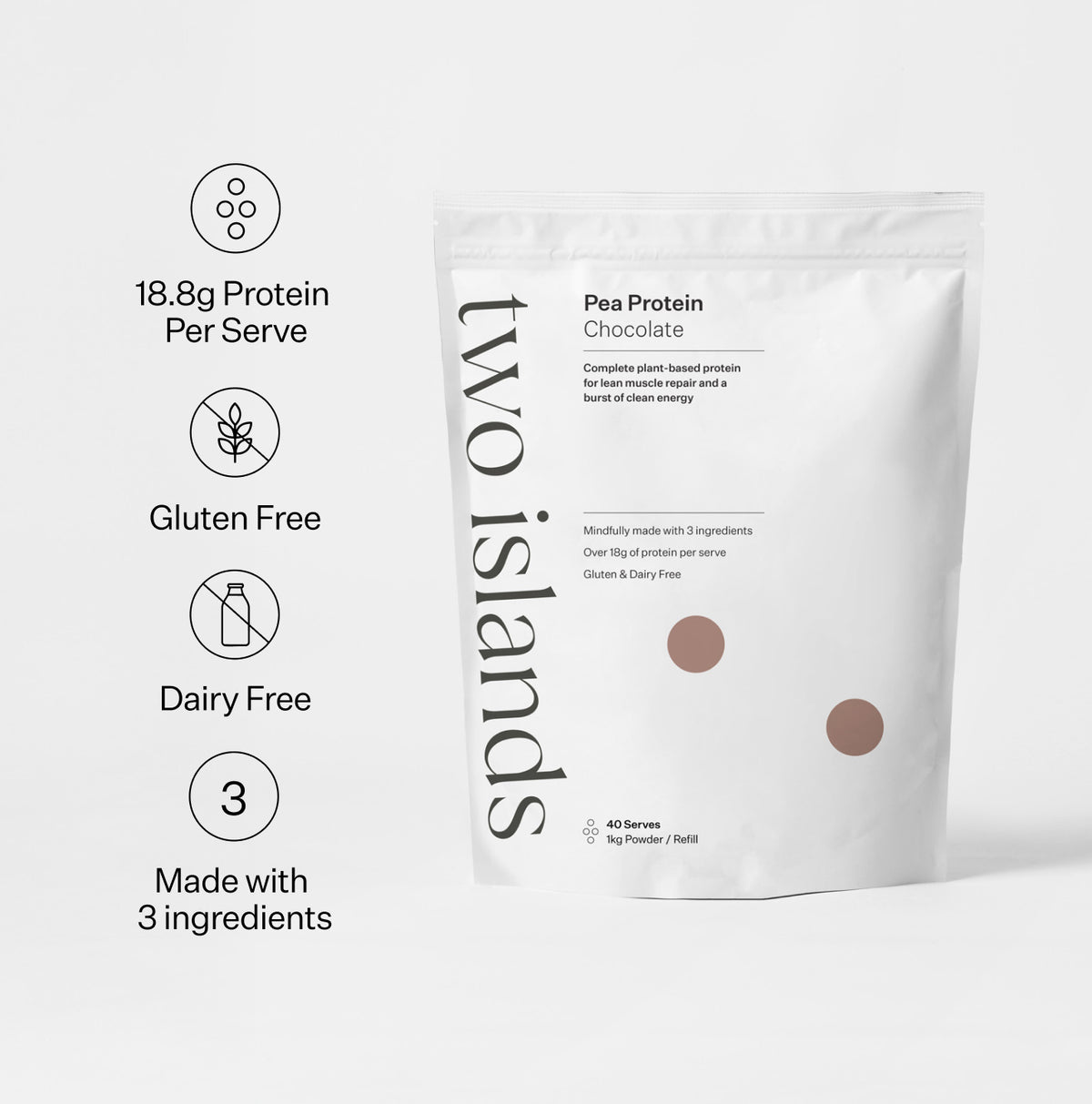
You can find our pea protein here.