What's Really in Your Marine Collagen? A Founder's Guide to Heavy Metals, Arsenic and Why Sourcing Matters.
04.10.2026I'll be honest with you. When I started Two Islands, I didn't fully understand just how much the source of an ingredient shapes its safety. Marine collagen feels like a clean, natural choice, and in many ways it is. But the ocean isn't a controlled environment, and the supplement industry doesn't always ask the questions it should.
This post is my attempt to give you a straight answer to a question more people should be asking: is your marine collagen actually safe, and how would you know? I'll take you through the science of heavy metals in marine-sourced supplements, explain why arsenic is more complicated than most brands let on, and show you exactly what we test for, and what our results say.
Why Marine Collagen Carries an Inherent Heavy Metal Risk
All marine life absorbs its environment. That's not a flaw in marine collagen specifically, it's just biology. Fish accumulate heavy metals like mercury, lead, cadmium, and arsenic through a process called bioaccumulation: small organisms absorb trace metals from the water and sediment around them, and those concentrations increase as you move up the food chain. By the time you reach a mid-to-large species like cod, those metals have had time to build up.
This happens regardless of whether the fish is wild-caught or farmed, and regardless of how clean the water appears. Wild-caught is still the better choice for many reasons, but it's not a guarantee of purity. A 2025 peer-reviewed study published in Open Medicine tested multiple marine collagen brands using ICP-MS (the gold standard analytical method) and found that arsenic was the most abundant heavy metal detected across samples, with significant variability between brands.
That variability is the key point. Where your collagen comes from, and whether the brand tests it properly, makes a real difference to what ends up in your body.
Organic vs Inorganic Arsenic: The Distinction Most Brands Miss
Here's where it gets technical, and important. Not all arsenic is the same.
Arsenic exists in two primary forms: organic and inorganic. In the context of chemistry, "organic" simply means it contains carbon. Organic arsenic compounds occur naturally in seafood and are largely considered non-toxic at the levels typically found in marine products. Inorganic arsenic, on the other hand, is the form linked to serious long-term health effects: skin lesions, kidney and bladder cancer, neurotoxicity, cardiovascular disease, and developmental harm in children. It's the form the European Food Safety Authority (EFSA) has flagged as having no safe lower threshold.
When most brands test for arsenic, they test for total arsenic. That single number includes both forms, and gives you almost no useful information about safety. You can have a product with a high total arsenic reading that is predominantly organic (and therefore relatively low risk), or a product with a moderate total arsenic reading that contains a concerning level of the inorganic form.
Testing specifically for inorganic arsenic requires a separate, more complex speciation method. It's also significantly more expensive. At Cawthron, New Zealand's leading accredited testing laboratory, inorganic arsenic speciation testing costs $900 per test, on top of the standard heavy metals panel. For a small brand, that's a meaningful cost to absorb for every batch. We absorb it anyway, because it's the only test that actually tells you something.
Why Sourcing is the Foundation, Not a Marketing Detail
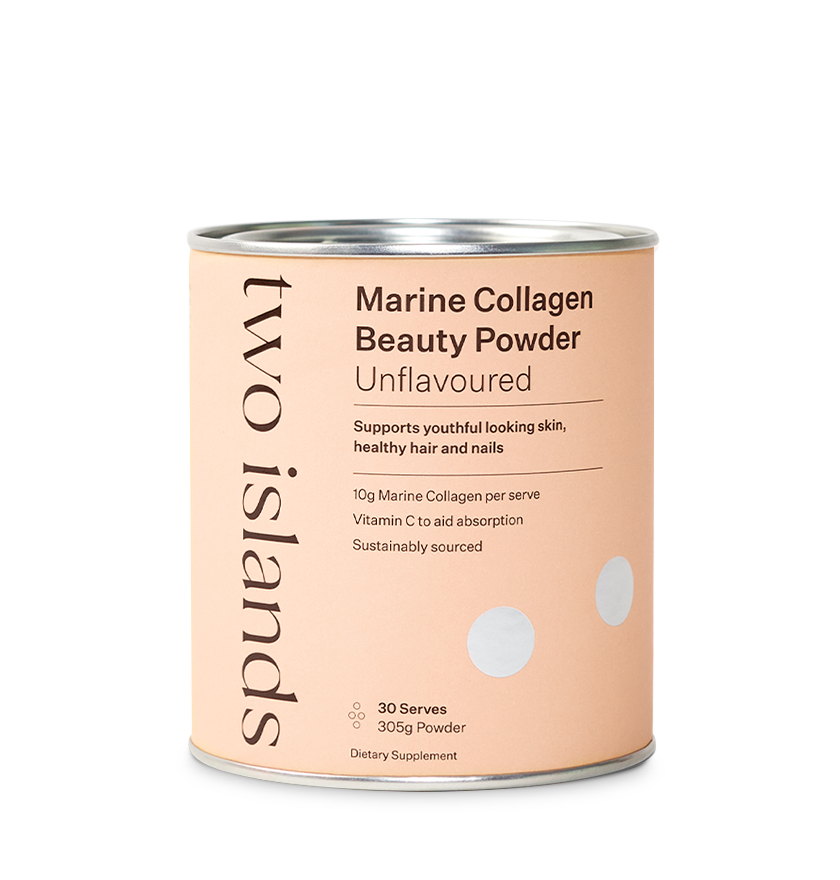
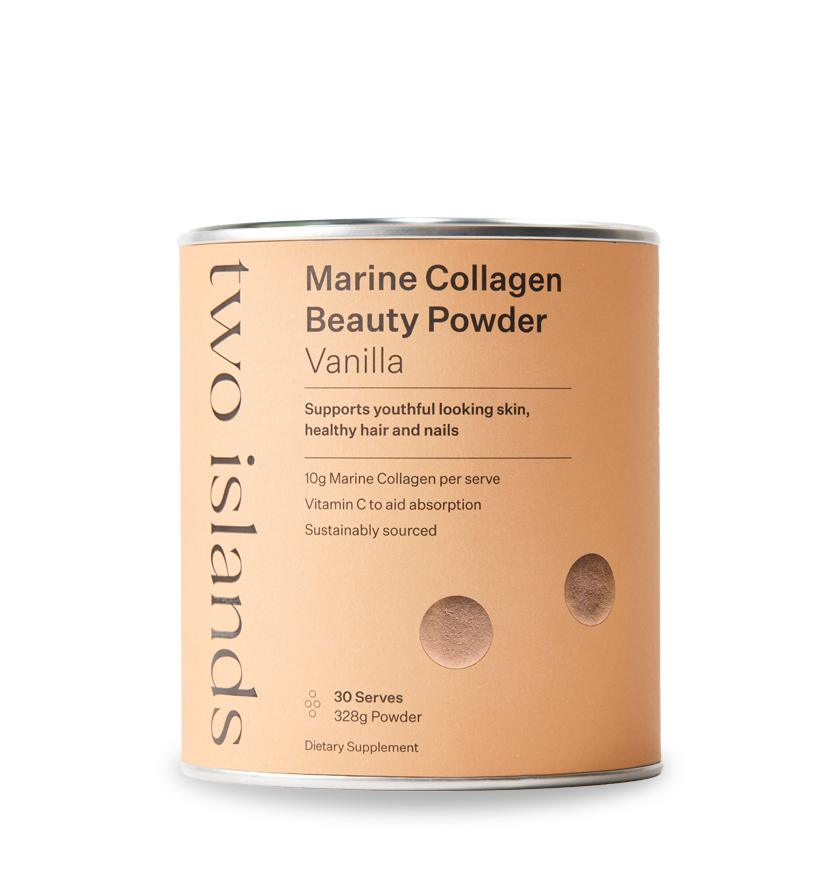
Our marine collagen is sourced from wild-caught North Atlantic cod, supplied by a certified Norwegian producer operating out of Avaldsnes on Norway's west coast. The collagen is extracted from cod skin using an enzymatic hydrolysis process, a cleaner extraction method that avoids harsh acid processing and preserves the integrity of the peptides.
The supplier holds MSC (Marine Stewardship Council) certification, which is the global benchmark for sustainable, traceable fisheries. MSC certification isn't just an environmental credential. It means the supply chain is independently audited, the catch is traceable to a specific fishery, and there are strict controls on how the fish is handled from ocean to ingredient. That traceability matters for heavy metal testing, because it means we know exactly what we're testing.
We also use a single source. Most marine collagen on the market is blended from multiple fisheries, sometimes across multiple countries and species. When you blend sources, your heavy metal profile becomes unpredictable and your testing becomes almost meaningless, because the batch you test may not reflect the batch you sell. Single-source collagen means every test we run is genuinely representative of the product in your tub.
Our Test Results: What the Numbers Actually Mean
We test every batch of our marine collagen through Cawthron Institute, an IANZ-accredited laboratory based in Nelson, New Zealand. IANZ accreditation is the national standard for laboratory competence in New Zealand, and Cawthron is considered the gold standard for food and supplement testing in this country. Our most recent Certificate of Analysis, dated February 2026, shows the following results:
Mercury: <0.05 mg/kg (below detection limit)
Lead: <0.05 mg/kg (below detection limit)
Cadmium: <0.04 mg/kg (below detection limit)
Total Arsenic: 0.64 mg/kg
Inorganic Arsenic: <0.1 mg/kg (below detection limit)
A few things worth explaining here.
Mercury, lead, and cadmium are all below the laboratory's detection limit. That means they are essentially undetectable in our product, and well within the limits set by both the Australia New Zealand Food Standards Code (Standard 1.4.1) and EU regulation.
Total arsenic at 0.64 mg/kg is entirely consistent with what you'd expect from a marine-sourced ingredient. The 2025 study referenced earlier found a mean total arsenic level of 0.59 mg/kg across marine collagen brands tested. Our number sits right in that range. We're not hiding an outlier result. We're being transparent about something that's normal for marine collagen, and then showing you what actually matters.
What matters is the inorganic arsenic result: below 0.1 mg/kg. The EU threshold above which inorganic arsenic in food supplements is considered potentially unsafe is 3 mg/kg. Our result is at least 30 times below that threshold. The toxic form of arsenic is essentially undetectable in our product.
You can view the full Certificate of Analysis here.
Higher Standards, By Design
Wild-caught, single-source, MSC-certified cod collagen from Norway costs more than blended, unverified marine collagen from cheaper origins. Third-party testing at an accredited lab costs more than relying on a manufacturer's in-house results. Inorganic arsenic speciation testing costs $900 per batch, on top of the standard panel.
We could cut corners. A lot of brands do. But we started Two Islands because we believe women deserve supplements that are genuinely held to a higher standard, not just marketed that way. B Corp certification requires us to be accountable across every part of our business, and that accountability starts with knowing exactly what's in our products.
The source is everything. And now you know ours.
Frequently Asked Questions
Does marine collagen contain heavy metals?
All marine-sourced ingredients contain trace levels of heavy metals to some degree, because marine life absorbs metals from its environment. What matters is the type and concentration. Our collagen tests below the detection limit for mercury, lead, and cadmium, and our inorganic arsenic (the toxic form) is at least 30 times below the EU safety threshold.
Is wild-caught marine collagen safer than farmed?
Wild-caught is generally preferred, but it doesn't automatically mean lower heavy metals. Species, location, age of fish, and how the collagen is processed all play a role. What matters most is that the brand tests properly using an accredited third-party laboratory, and publishes the results.
What is inorganic arsenic and why does it matter?
Inorganic arsenic is the toxic form of arsenic linked to cancer, neurotoxicity, and cardiovascular disease. Organic arsenic, which occurs naturally in seafood, is largely considered safe at the levels found in supplements. Most brands only test for total arsenic, which doesn't tell you which form is present. We test for both.
Where does Two Islands marine collagen come from?
Our marine collagen is sourced from wild-caught North Atlantic cod from a certified Norwegian supplier holding MSC certification. It is single-source, meaning every batch comes from the same traceable origin, and is third-party tested in New Zealand through Cawthron Institute.
Where can I see your test results?
Our most recent Certificate of Analysis from Cawthron Institute is available here.