The power of supplements in alleviating stress and anxiety
09.23.2026In the bustling city, Jane navigated the demands of her professional life with grace, yet within her, a quiet struggle waged on. Stress and anxiety were her constant companions, lurking beneath the surface. Like countless others determined to find solace, Jane explored numerous avenues, from mindfulness techniques to wellness practices. However, it was through the realm of supplements that offered her the most profound relief.
Scientific research has begun to shed light on the potential benefits of dietary supplements in combating stress and anxiety. A 2014 Australia and New Zealand study published in the Nutrition Journal found that B-group vitamins can significantly reduce workplace stress. The study also found that Vitamin B supplementation is also likely to have additional health and quality of life benefits.
Similarly, adaptogens such as Ashwagandha have shown promise in combating stress. In a 2019 study published in the Journal of Evidence-Based Integrative Medicine, participants who took 240mg of Ashwagandha daily reported a 44% decrease in stress levels over a 60-day period.
Omega-3 fatty acids found in fish oils have also earned their place in the stress-busting realm. A 2018 report in JAMA Psychiatry suggests that regular intake of Omega-3 can reduce anxiety symptoms by up to 20%.
Jane's journey wasn't unique. It reflected the stories of millions battling stress and anxiety daily. The ever-growing body of research provides hope and validates the role of supplements as potential allies in this fight, paving the way for a healthier, happier society.
The soothing world of dietary supplements has been a beacon of relief in Jane's battle against stress and anxiety, a fight she shares with millions worldwide. Empirical evidence supports this approach, highlighting the stress-reducing potential of B-group vitamins, adaptogens like Ashwagandha, and Omega-3 fatty acids. A host of studies, conducted in reputable institutions, lend credence to these claims, painting an optimistic picture of the role supplements can play in our journey towards a healthier, more serene society.
As we delve deeper into this intriguing field, we will explore the myriad ways dietary supplements are revolutionising our approach to stress and anxiety. From the labs of dedicated scientists to the daily routines of individuals like Jane, we uncover the fascinating intersection of nutrition and mental health. Keep reading as we unpack the science behind these supplements.
The growing issue of stress and anxiety in modern society
The rising tide of stress and anxiety in modern society has become a significant public health concern, warranting urgent attention. Factors such as rapid urbanisation, increased workload, societal pressures, and the advent of technology have contributed to an environment that breeds stress and anxiety. The World Health Organisation (WHO) reports a steady increase in the number of people affected by these conditions, underscoring the need for efficient and accessible solutions. In this context, the potential role of dietary supplements in managing stress and anxiety presents an intriguing prospect. As we navigate this complex landscape, we aim to shed light on the various aspects of this growing issue and explore how effective dietary interventions can contribute to a more balanced and stress-free society.
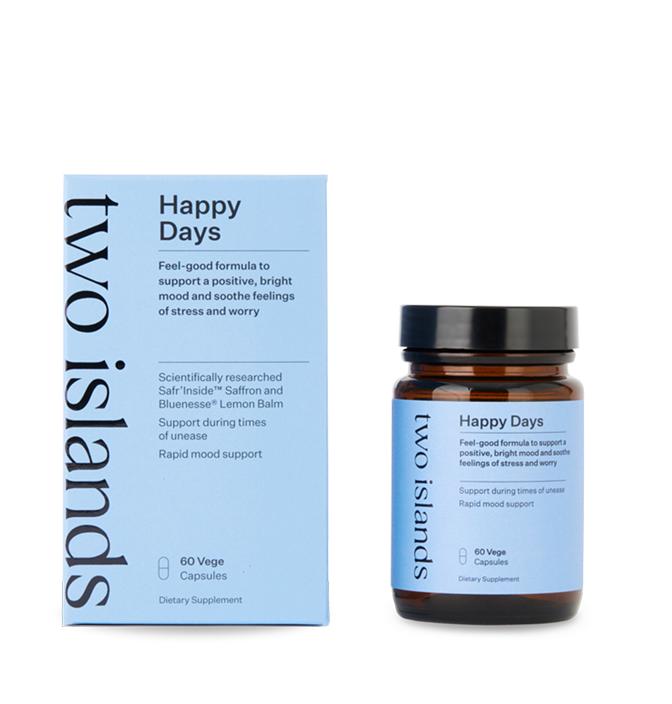
At Two Islands, we are constantly researching new products that can help people with a wide range of challenges. In 2023, we launched Happy Days, our feel-good formula designed to support a calm, positive mood, emotional stability and ease feelings of stress, overthinking and anxiety for bright, happy days.
This stress support supplement is a fast-acting synergistic blend of calming, adaptogenic botanicals that nourishes the adrenals to support resilience, reduce cortisol levels and aid the body’s ability to cope with daily stress, as well as during times of overwhelm, anxiety or burnout.
The role of supplements in managing stress and anxiety
Dietary supplements, when used as part of a balanced lifestyle, can be potent tools in combating stress and anxiety. They often contain essential nutrients, such as B-vitamins and Magnesium, which are known to support adrenal function, calm the nervous system and promote healthy brain chemistry. Certain herbs, like ashwagandha and rhodiola rosea, have adaptogenic properties, helping the body to adapt to stress and maintain optimal vitality.
Moreover, certain probiotics and prebiotics, often referred to as 'psychobiotics', are garnering attention for their role in gut-brain communication. Emerging research suggests that a healthy gut microbiome may mitigate stress and anxiety by enhancing the production of mood-regulating neurotransmitters like serotonin and dopamine.
However, it's important to note that while supplements can be beneficial, they should not replace a balanced diet, regular exercise and professional medical advice. Variations in individual physiology, the severity of symptoms, and potential interactions with medications necessitate personalised advice and monitoring by healthcare professionals. As we continue our exploration, we will delve into the specific roles these supplements play and how they can be incorporated into a comprehensive approach to managing stress and anxiety.
Top supplements for stress and anxiety relief
Now that we understand the value of dietary supplements in managing stress and anxiety, let's take a closer look at some of the most effective options available. The following list includes supplements known for their ability to enhance mental wellbeing, reduce stress levels and promote a sense of calm. Remember, it's always vital to consult a healthcare professional before adding any new supplements to your regimen.
-
Ashwagandha: Native to India, this herb is a popular choice in traditional Ayurvedic medicine. Ashwagandha is known for its adaptogenic properties, which help the body cope with physical and emotional stress by balancing hormone levels. It also improves mental clarity, elevates energy levels and boosts overall immune health. Furthermore, studies suggest that ashwagandha may enhance cognitive function by promoting nerve health and preventing neuron damage. While research continues, it's clear that ashwagandha offers an array of benefits for stress relief and overall wellbeing.
Learn more about the benefits of Ashwagandha.
-
Omega-3 Fatty Acids: These essential fatty acids, notably found in fish oil, flaxseeds and walnuts, are crucial for brain health and function. Research suggests that Omega-3s play a role in reducing symptoms of anxiety and improving mood by modulating neurotransmitters like dopamine and serotonin. They also have anti-inflammatory properties which can counteract the effects of chronic stress on the body. Notably, Omega-3s are not naturally produced by the body and must be obtained through diet or supplementation, making them a critical addition to any wellness regimen, particularly for those managing stress and anxiety.
-
Bluenesse® Lemon Balm: This plant, also known as Melissa officinalis, is well-regarded in herbal medicine thanks to its calming effects. Lemon Balm has a long history of use for promoting sleep, reducing anxiety and enhancing cognitive function. It works by increasing levels of Gamma-Aminobutyric Acid (GABA) in the brain, which is associated with relaxation and a feeling of wellbeing. Additionally, studies suggest that lemon balm may improve memory and attention, alleviate symptoms of stress, and induce a sense of calm without causing drowsiness. It's a worthy addition to any wellness routine, particularly for those seeking natural stress relief and cognitive enhancement.
Learn more about the benefits of Bluenesse® Lemon Balm.
-
Safr’Inside™ Saffron: Known as the 'Golden Spice', saffron is a highly prized ingredient used for both its culinary and medicinal properties. It's rich in antioxidants, which help protect cells against oxidative stress and free radicals. Saffron is renowned for its potential benefits on mood, with research suggesting it may help alleviate symptoms of depression and anxiety. Additionally, it may improve memory and cognitive function, and has been studied for its potential role in preventing age-related cognitive decline. It's also been linked to other health benefits such as improved heart health, reduced symptoms of PMS, and enhanced eyesight. A pinch of saffron in your wellness routine could go a long way, particularly for those seeking a natural mood enhancer.
Learn more about the benefits of Safr’Inside™ Saffron.
-
L-Theanine: Found primarily in green tea, L-theanine is an amino acid heralded for its ability to promote relaxation without inducing drowsiness. It aids in stress relief by fostering a state of calm attentiveness coupled with increased focus. Research suggests that L-theanine can improve cognitive performance, enhance sleep quality and possibly support cardiovascular health. Furthermore, it's known to boost levels of GABA, serotonin, and dopamine – neurotransmitters that manage emotions, mood, concentration, alertness and sleep, as well as appetite, energy and other cognitive skills. Incorporating L-theanine into your wellness routine could bring a sense of balance and calm to your busy daily life.
Learn more about the benefits of L-Theanine.
-
Magnesium: An essential mineral, magnesium plays a key role in over 300 enzymatic reactions within the body, including metabolism, protein synthesis and cell function. It's known for its significant contributions to bone health, with a substantial proportion of the body's magnesium stored in the bones. Magnesium is also critical for maintaining a healthy nervous system and optimising brain function. Research implicates it in the regulation of sleep quality and the management of mood disorders, with evidence suggesting it may help combat depression and anxiety. Moreover, magnesium contributes to heart health, aiding in the prevention of cardiovascular diseases. Incorporating magnesium into your wellness routine can potentially boost overall health and wellbeing.
Learn more about the benefits of Magnesium.
Consult with a healthcare professional
Before incorporating any new supplement into your daily routine, it is crucial to consult with a healthcare professional. While supplements, like L-Theanine and Magnesium, offer numerous health benefits, they might interact negatively with certain medications or medical conditions, leading to unexpected side effects. A healthcare professional can assess your current health status, review any existing medications and provide personalised advice regarding the dosage and suitability of these supplements. Furthermore, they can monitor your progress and adjust the regimen as required to ensure optimal health and wellbeing. Hence, professional consultation takes precedence over self-prescription to ensure the safety and effectiveness of your supplement intake.
A holistic approach to stress management
Supplements can effectively complement a holistic approach to stress management. In conjunction with other strategies, they bolster your body's capacity to cope with stress. Regular physical activity is a key element of this holistic approach, as it not only strengthens your body but also releases endorphins that enhance mood and act as natural stress relievers. Balanced nutrition is equally critical, supplying the essential vitamins and minerals, like Magnesium and L-Theanine, that your body requires to function optimally and manage stress.
Mindfulness and relaxation exercises, such as yoga and meditation, work hand-in-hand with supplements to calm the mind and lower stress levels. Adequate sleep is also vital for stress management, and certain supplements can help regulate sleep patterns and enhance sleep quality. Lastly, regular consultations with healthcare professionals ensure that your supplement intake and wellness practices align with your overall health and medical condition. By integrating supplements with these lifestyle components, you can create a comprehensive, tailored and effective strategy for managing stress.
In summary, incorporating supplements into a well-rounded self-care regimen has been shown to significantly enhance mental health and wellbeing. When used in conjunction with regular exercise, balanced nutrition, mindfulness practices, adequate sleep and professional health advice, supplements can offer an added layer of support in managing stress. They fulfil specific nutritional needs, support optimal body function, and can directly contribute to improved mood and reduced anxiety. From B-complex vitamins that help increase energy levels and brain function, to adaptogenic herbs that help the body cope with an adapt to stress, the benefits of supplements are manifold. However, remember the importance of a holistic approach – supplements are most effective when they are part of a larger, comprehensive self-care and stress management strategy.