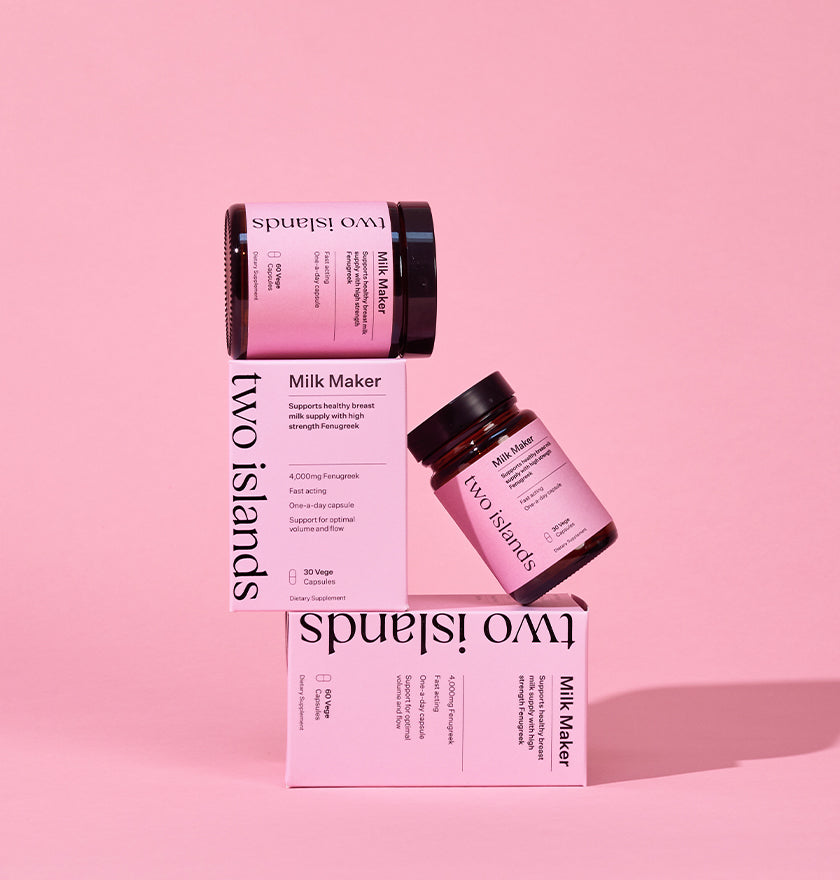
Breastfeeding support supplements, do they work?
09.23.2026Breastfeeding is a beautiful, natural process that holds several health benefits for both mothers and babies. However, not all breastfeeding journeys are as seamless as they should be. For many new mothers, the experience can be fraught with challenges such as low milk supply, latching difficulties, and overall concerns about the infant's nutrition. This leads many to explore a variety of solutions, including the use of breastfeeding support supplements. But do these supplements truly live up to their claims? Let's delve into the complex world of lactation aids to better understand their function and efficacy.
Understanding breastfeeding support supplements
Breastfeeding support supplements are formulated to enhance lactation and support the overall health of nursing mothers. They typically consist of a blend of herbs and other natural ingredients, which are believed to have a galactagogue effect—the ability to increase milk supply. The purpose of these supplements is to provide breastfeeding women with a nutritional boost that could potentially facilitate a more abundant and nutritious milk flow.
Common ingredients in breastfeeding support supplements
Several natural ingredients are commonly found in breastfeeding support supplements. While the specific composition of these supplements may vary, the following ingredients are frequently featured for their purported milk-boosting properties:
Fenugreek
Known for its maple syrup-like aroma and flavour, fenugreek is a popular herb in traditional medicine to stimulate milk production. Studies have suggested a potential link between fenugreek and increased lactation, though the mechanisms are not yet fully understood.
Blessed Thistle
Often used in conjunction with fenugreek, blessed thistle is another herb believed to support milk production. While less well-studied than fenugreek, some women have reported success when using this herb to maintain a healthy milk supply.
Milk Thistle
Milk thistle contains silymarin, which is thought to support liver health. A healthy liver is crucial for processing toxins and hormones, which can impact lactation. There is limited evidence on the direct effects of milk thistle on milk production.
Alfalfa
Alfalfa is a nutrient-rich herb that may contribute to overall health and wellbeing in breastfeeding women. While there's little direct evidence linking alfalfa to milk production, it's included in some lactation blends for its rich vitamin and mineral content.
Goat's Rue
Goat's rue is a plant traditionally used in European herbal medicine, believed to stimulate the development of mammary tissue. This property may enhance the capacity of the breast to produce milk. Research has shown it also supports healthy blood sugar levels, which is beneficial in helping normal milk supply in mother’s where underlying hormonal conditions affect production.
Fenugreek: the gold standard?
Fenugreek is one of the most heavily researched herbs in relation to breast milk production. Although numerous studies have suggested a positive impact on milk supply, the evidence is not definitive. Some individuals in these studies experienced a considerable increase, while others saw no change. The variability in response could be due to differences in the dosage, preparation, or individual metabolic factors. Although rare, due to the individual differences we all have, in some people, Fenegreek can even have the opposite effect where breast milk supply can decline.
Side effects and cautions
It's important to note that, like any supplement, breastfeeding support products may come with certain risks. For example, some women experience mild gastrointestinal discomfort or allergic reactions to these herbal blends. Furthermore, certain herbs may interact with prescription medications, so it's crucial to consult with a healthcare professional before adding any new supplement to your regimen, especially while breastfeeding.
Alternative methods for breastfeeding support
Breastfeeding challenges require a comprehensive approach that may go beyond supplements. Here are some alternative methods that can complement or sometimes even replace the use of supplements:
Natural remedies and lifestyle adjustments
Simple lifestyle adjustments and natural remedies can often address minor breastfeeding issues. Ensuring proper hydration, nutrition and rest are foundational to a healthy milk supply. Additionally, techniques such as skin-to-skin contact, frequent and effective nursing, and breast massage can enhance milk production.
Professional support
Lactation consultants are trained professionals who can provide personalised guidance and support for breastfeeding mothers. They can help troubleshoot issues, offer education on proper breastfeeding techniques, and recommend evidence-based strategies to address challenges.
Community support
Peer support groups and online communities can be invaluable resources for new mothers. Sharing experiences and tips with others who have navigated similar challenges can provide comfort, encouragement and practical advice.
Customer reviews of Two Islands Milk Maker
Customer feedback is a critical component in the evaluation of breastfeeding support supplements. Here are some testimonials from users of Two Islands Milk Maker breastfeeding support supplement:
Users have reported notable improvements in their breastfeeding journey after using Two Islands Milk Maker. Many highlight substantial increases in milk supply and a reduction in the need for supplementary feeding. These success stories underscore the potential benefits of lactation aids for some women.
★★★★★
"I took this while breast feeding my second child and it was night and day with my experience with #1, my supply was so much more reliable and hence we had a much less stressful experience than with our first child. I'd definitely recommend using Milk Maker if you're struggling at all with getting your supply up." - Ruby
★★★★★
"I highly recommend it! My breastfeeding journey has been quite stressful, but I feel fortunate to have found this. Just a week in, and I can fully breastfeed my baby without any formula top-ups! I was sceptical when I bought this, but it really worked. I am definitely getting a refill after this." - Anonymous
★★★★★
"My postnatal midwife recommended Milk Maker shortly after having my daughter when my milk supply was low. She said it was the only product her clients have found works. Within a couple of days of using Milk Maker my supply had increased substantially and I’ve been using this consistently for 3 months now with great results! Skip the lactation cookies and go for this." - Anonymous
Summary of findings and considerations for new mothers
When evaluating breastfeeding support supplements, it's crucial to approach the decision with a balance of critical thinking and an understanding of personal health needs. While these supplements may offer benefits for some women, they are not a one-size-fits-all solution. New mothers should explore a range of support methods, including natural remedies, professional lactation assistance and community support to optimise their breastfeeding experience. In all cases, consulting with a healthcare professional is a prudent step to ensure that any supplementation aligns with individual health goals and the wellbeing of the nursing mother and her baby.