Natural vitamins vs synthetic vitamins: which is better?
08.19.2026For many people, getting their daily recommended intake of vitamins and minerals can be difficult. This can be for several reasons. Vegetarians and vegans, for example, can struggle to get enough B12, vitamin D, calcium and iron. Post-menopausal women and the elderly are other groups that can sometimes struggle to get the necessary nutrients through their natural diet.
Many people choose to supplement their diet with multivitamins to ensure they meet the daily recommended intake of vitamins and minerals. According to Statista, the worldwide multivitamin market is set to grow significantly over the next four years. This year, the market is worth an estimated USD $34.24 billion, and this is set to rise to USD $44.23 billion by 2025.
Not all vitamins are created equal, however. There are two main types of vitamins: natural and synthetic. In this post, we are going to take a close look at both types of vitamins, their benefits and the reasons people might choose one over another.
Whilst we ask the question, “which is better?”, we aim to highlight how there is plenty of room for both natural vitamins and synthetic vitamins in your diet and how a combination can help you to get the most out of your supplements and benefit your overall health.
What are natural vitamins?
Natural vitamins are the vitamins that come from whole food sources in your diet. Natural vitamins are sometimes referred to as “organic” vitamins or “whole food” vitamins and they are typically found in nutritious food sources like meats, fish, fruits and vegetables.
Whilst these foods are often turned into powder to make tablets and capsules for a more readily available vitamin, they are still considered to be “whole foods”. These tablets and capsules are clearly not natural or organic, however, the contents are not synthetically produced so they are still classified in that way.
The only truly natural or organic vitamins are the ones that come directly from your food.
One of the reasons we don’t see more natural vitamins on the market is the cost. It is very expensive to extract the vitamins from wholefood sources. This will typically be done by drying or using a water extraction process. This is not only tricky, but also expensive and during the process, those vitamins being extracted will often lose some of their potency.
Isolating a specific vitamin from its sources, like Vitamin A from cod liver oil, for example, does not necessarily yield 100% of the vitamin. Many natural vitamin companies will still end up synthesizing their vitamins in order to reach full potency, even when some of the vitamin is from wholefood sources.
Natural vitamins are still a great way to get your daily intake of vitamins, however, it is important to be aware of the process required to extract natural vitamins from wholefoods.
Benefits of natural nutrients
There has been some evidence to suggest that the body absorbs some vitamins more easily when they are consumed in their natural form. It is theorised that this is partly due to the variety of nutrients and enzymes in food that can help with the absorption of other vitamins.
It is clear that a natural, balanced diet is the starting point for getting the recommended daily intake of the required vitamins and minerals that your body needs. Here are some of the wholefoods you should include in your diet:
Fruits and vegetables
We all know that we should eat at least five portions of fruit and vegetables a day, and in some countries, that recommendation is even greater.
Fruits and vegetables provide us with fibre, vitamins, minerals and plant compounds which are all thought to be responsible for a number of health benefits including links to a lower risk of heart disease, cancer, diabetes and arthritis.
Studies have also shown that eating more fruit can lower blood pressure, reduce oxidative stress and improve blood sugar control.
Whole grains
Whole grains are also a great source of many valuable nutrients including fibre, B vitamins and minerals including iron, magnesium and selenium.
Ideally, intact whole grains that are unrefined are the best source of whole grains as they have more nutrients and are less likely to contain added sugar, saturated fat and sodium. Intact whole grains include:
• Whole oats
• Brown rice
• Barley
• Bulgur
• Quinoa
• Millet
• Buckwheat
Whilst breakfast cereals are often touted as a good source of whole grains, they often contain other additives such as sugar and sodium.
Nuts and seeds
Nuts and seeds are another great source of natural nutrients, and they contain antioxidants, minerals and healthy fats that have all been associated with the reduced risk of early death, heart disease and diabetes.
Most nuts have very similar macronutrient (protein, carbohydrate and fat) profiles, but different types of nuts may have slightly different micronutrient (vitamin and mineral) content.
Oily fish
We’ve already touched on the benefits that can be derived from oily fish such as vitamin A from cod liver oil. Oily fish is also a great source of omega-3 fatty acids, and these are often attributed to better heart health.
Oily fish is rich in what are known as fat-soluble vitamins and these include vitamin A and vitamin D. Examples of oily fish include sardines, herring and anchovies and larger species including salmon, trout, mackerel, swordfish and tuna. Tuna, however, is only considered an oily fish when consumed fresh as the canning process reduces the long-chain omega-3 fatty acids.
Beans and legumes
Beans and legumes are a great source of natural vitamins and nutrients. They are rich in plant protein, fibre, B-vitamins, iron, folate, calcium, potassium, phosphorus and zinc.
They are considered a great alternative to meat for vegetarians and vegans as they offer similar nutrients but with lower levels of iron and no saturated fats. Legumes offer a wide range of benefits in addition to being a great source of vitamins and minerals. They can help to lower blood sugar, blood pressure and heart rate, and they also help with other heart-related diseases and diabetes.
What are synthetic vitamins?
As you might have guessed already, synthetic vitamins are synthetically manufactured vitamins created in a lab to mimic natural vitamins. They are isolated vitamins that are strategic and offer you more targeted support than natural vitamins.
Creating synthetic vitamins in a lab is not as complicated as it might sound. The molecular structure of each vitamin is well known. Therefore, those nutrients can be replicated exactly in a lab, supporting the same specific cellular structure and function.
By isolating specific vitamins, it is easy for the lab to control the purity and quality of the synthetic vitamin they are manufacturing which is why you will find the exact dosage provided on the label.
As these vitamins can be synthetically manufactured in mass quantities, the cost of synthetic vitamins is typically significantly lower than those claiming to be natural vitamins. Trying to extract natural vitamins from their source is not only expensive, but also a difficult procedure due to the relatively low quantities of the vitamin in the original food source.
Benefits of synthetic nutrients
Synthetic vitamins have their own benefits that differ from the benefits associated with natural vitamins. This is one of the reasons why a combination of natural and synthetic vitamins is often the best way to ensure your body is getting the vitamins, minerals and nutrients it requires.
Here are some of the benefits of synthetic vitamins:
Bioavailability
According to an article written in The Journal of Nutrition, Volume 131, Issue 4, “The commonly accepted definition of bioavailability is the proportion of the nutrient that is digested, absorbed and metabolized through normal pathways. Consequently, it is not enough to know how much of a nutrient is present in a dietary supplement; the more important issue is how much of that present is bioavailable.”
When a nutrient is readily available for use by your body, it does not need to be converted into another form before being used by your body. To obtain this “active” form, supplement manufacturers put nutrients through a series of chemical reactions or bacterial fermentation. Plants and natural sources do not contain high amounts of these natural forms. This means that synthetic vitamins can be more easily digested, absorbed and metabolised than some natural vitamins.
Potency
We’ve already discussed the benefits of creating synthetic vitamins in a lab and the ability to control the purity and quality of the vitamin and this also applies to the potency. We know that plant extracts and herbs do not contain high concentrations of nutrients which makes it much more difficult to create a natural vitamin with the number of nutrients that are generally desired in a supplement.
Synthetic production is a much more efficient way to obtain high amounts of a single nutrient. If we take vitamin C as a prime example. Vitamin C is also known as ascorbic acid and is found in citrus fruits like oranges, lemons, peppers, strawberries, blackcurrants, broccoli and brussels sprouts to name just a few. It would be very difficult to extract the recommended daily amount of vitamin C from these fruits and vegetables, especially when you are trying to fit this into a tablet or capsule.
Efficiency and cost
We’ve talked about the cost of producing natural vitamins as being a potential barrier and this is where synthetic vitamins have the upper hand. It is much more efficient and cost-effective to produce vitamins synthetically in a laboratory environment rather than sourcing and extracting them from natural fruits, vegetables, herbs and other plant sources.
Purity
Whilst all-natural vitamins claim to be the purest form of vitamin, manufacturers of synthetic vitamins meticulously source their ingredients and raw materials to ensure they are delivering a vitamin that is pure. Of course, not all synthetic vitamins are created equally so it’s important that you check the ingredients on the label to ensure there are no impure ingredients included. Reputable manufacturers will rigorously test every aspect of their synthetic vitamins, from the raw materials to the final product.
Why do people need to supplement with vitamins?
There are many reasons why people need to supplement with vitamins, both natural and synthetic. Vitamin deficiency is a problem that impacts a huge range of people. The World Health Organisation (WHO) estimate that more than two billion people worldwide suffer from micronutrient deficiency globally.
Micronutrient deficiency is defined as a lack of essential vitamins and minerals required in small amounts by the body for proper growth and development. This deficiency can be caused by a variety of factors, however, it commonly appears in the following groups:
Pregnant women
Pregnancy places huge demands on a woman’s body and one of the biggest risks for pregnant women is anaemia.
Anaemia is a condition whereby an individual’s blood lacks enough red blood cells (RBCs) to carry oxygen efficiently around the body. Anaemia can result from a lack of iron or vitamin B12, although iron deficiency is the most common type.
Vitamin A deficiency is also common in pregnant women and it is important that women that are pregnant consult their doctors to gain a better understanding of the vitamins and minerals they need to supplement during pregnancy.
Vegetarians and vegans
Despite consuming a diet that largely consists of fruit, vegetables, beans, legumes, whole grains and even fish and eggs for vegetarians (not vegans), these two groups can still struggle to get the necessary vitamins and minerals from their diet alone.
One of the key vitamins that is derived from animal products alone is B12 – a vitamin that helps to formulate red blood cells. It also helps with brain function and a deficiency in B12 can manifest as a lack of energy and mental clarity.
Vitamin B12 can be found in other products today, especially fortified cereals and this is helping vegans in particular to increase their vitamin B12 intake, however, supplements may still be required.
Vegetarians and vegans can also suffer from deficiencies in omega-3 fatty acids, calcium, iron and zinc depending on their diets so it’s important to monitor what you are eating and supplement as necessary.
Elderly people
Another group that struggles to get the necessary amount of B vitamins in their diet is the elderly. Vitamins like B6, B12 and folate are often deficient in older people, largely due to the way they break down and absorb these vitamins in food or even when supplemented.
Typically, older people eat less food as they require less fuel for their day-to-day activities. This often leads to deficiencies in a range of vitamins sourced from natural foods including vitamin C, vitamin E, zinc, omega-3 fatty acids and vitamin D.
As people get older, it is important to focus on nutrition as a way of improving your overall health and wellbeing and focussing on those vitamins mentioned above as well as calcium, magnesium and potassium will help to keep elderly people healthier for longer.
There are, of course, lots of other groups that suffer from vitamin and mineral deficiencies, and it is important to talk to your doctor about your diet and better ways to supplement your daily nutrient intake.
Should I be taking vitamin and mineral supplements?
The bottom line is that very few of us get the required daily amount of all the vitamins and minerals we need from the food that we consume. Therefore, there are very few people who would not benefit from supplementing their diet in some way with the nutrients their body needs.
At the beginning of this post, we asked whether natural or synthetic vitamins were better and hopefully this post has helped to showcase that there is room in your diet for both. Both synthetic and natural vitamins have benefits and drawbacks and the best type of vitamin for you will likely be dictated by your individual needs.
There is certainly no need to think of synthetic vitamins and minerals as a substandard alternative to natural vitamins, nor should you consider all natural vitamins to be the best source of vitamins for you.
It is important to check in regularly with the recommended daily intake for optimal nutritional health. Chronic deficiencies in vitamins and minerals can lead to serious problems if left unchecked and even sub-clinical levels of deficiencies – levels below the recommended daily amount – can lead to long-term issues.
There is no one-size-fits-all solution to make sure you tailor your supplementary vitamin and mineral intake around your own diet and needs, adjusting accordingly to help to maintain your long-term health. A well-balanced diet coupled with supplements in the areas where you might not get your recommended daily amount from food is a great way to stay healthy.
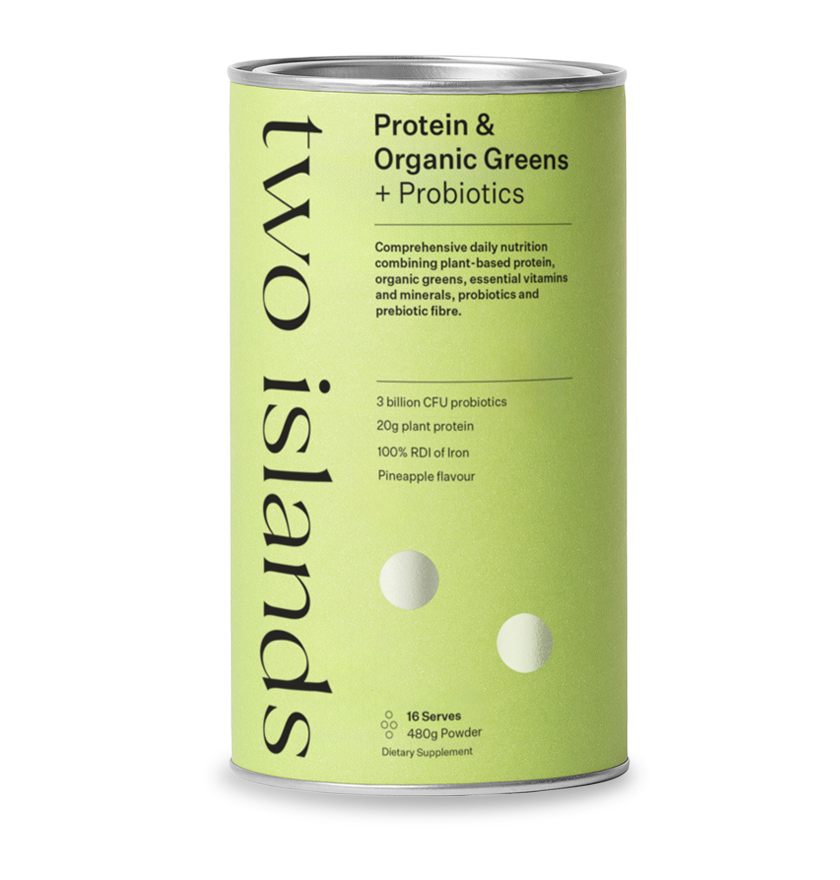
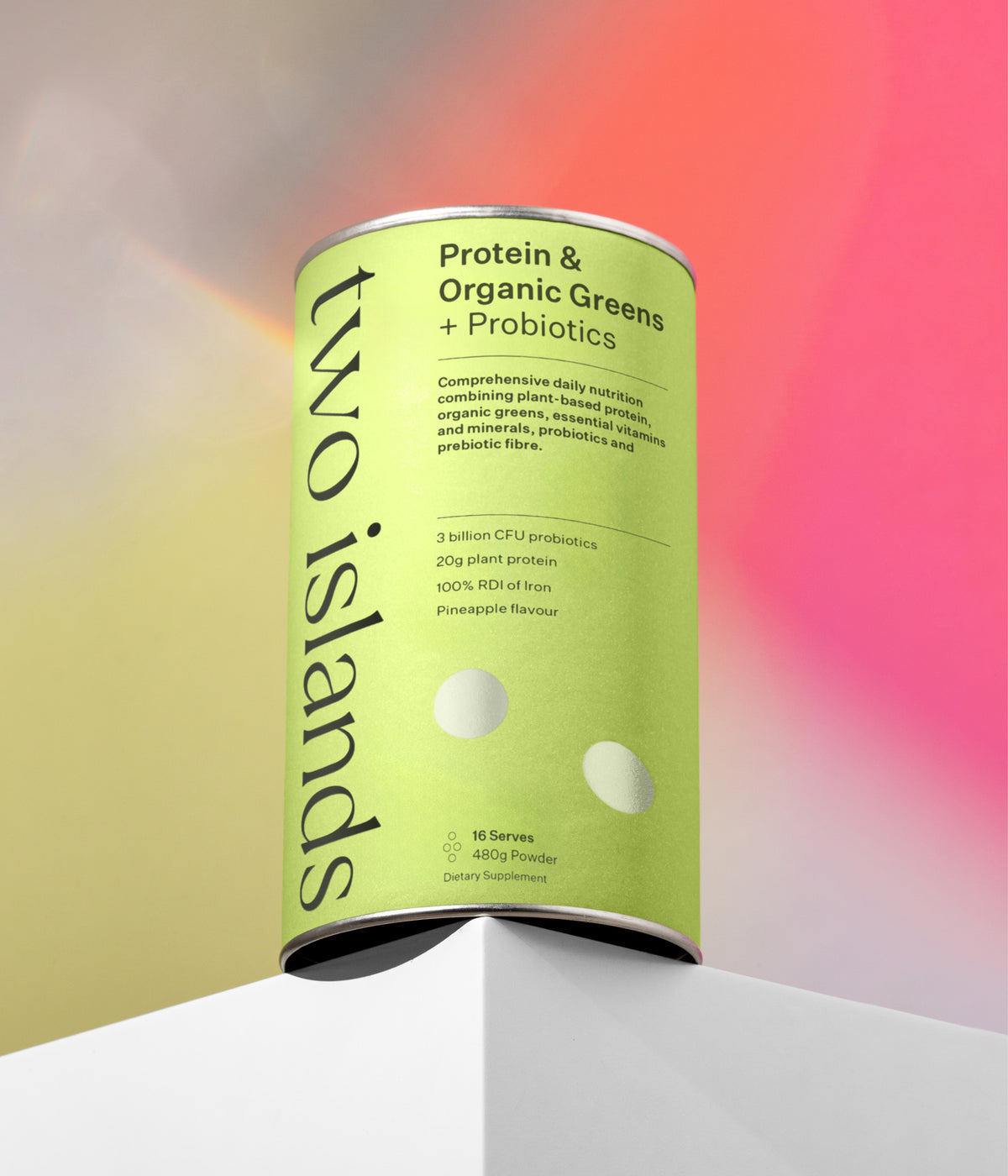
If you are looking for a multivitamin alternative, Two Islands Protein & Organic Greens + Probiotics is a great option. Protein & Organic Greens + Probiotics supports energy, stress, mood, immunity and gut health, making it perfect for people with an active lifestyle. Formulated from a base of Pea and spray-free New Zealand Hemp Protein, along with organic greens, probiotics, prebiotic fibre and whole-food sourced vitamins and minerals. Naturally sweetened with a subtle, yet refreshing pineapple flavour, you can easily take it with water or add it to your favourite smoothie for a nutrition boost.